
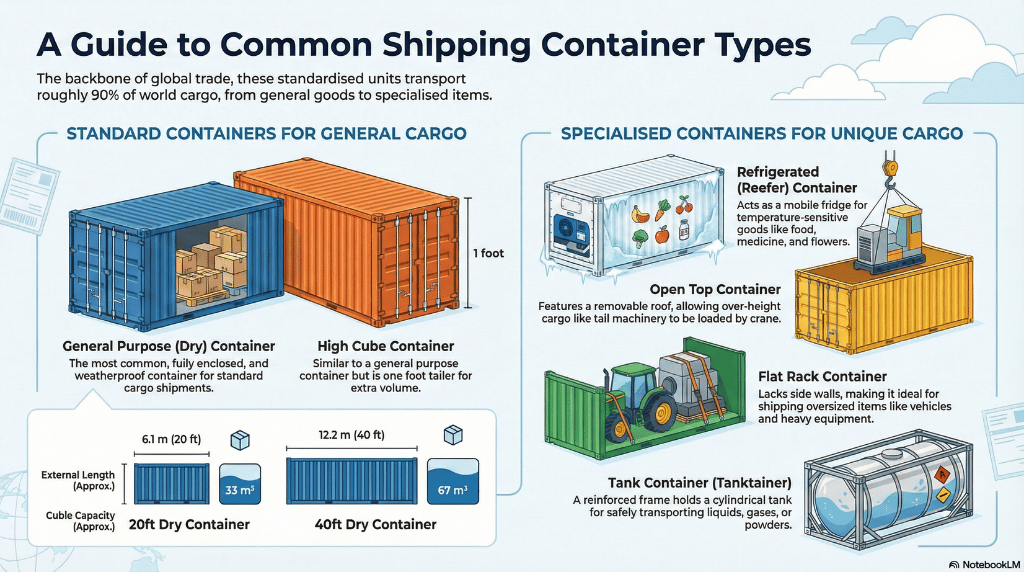
This page gives a clear and practical overview of the global shipping container industry. It explains the different container designs and technical specifications used to transport goods worldwide.
The material covers a wide range of container types, from standard dry containers and high-cube units to specialised options such as refrigerated containers (reefers), ISO tanks, and flat racks. Readers will find detailed information on standard sizes, weight limits, and payload capacities, as well as explanations of how specific containers are designed for oversized cargo, liquids, or temperature-sensitive goods.
In addition, the wider logistics and handling environment is explored. Included in the discussion are container modifications, maintenance and lifespan considerations, and the equipment used for lifting, moving, and weighing containers. By covering both ISO-standard containers and specialised variations like site sheds and swap bodies, the material shows how containerisation supports international trade and a variety of industrial and field-service applications.
General Dimensions and Weight Metrics
Shipping containers are measured by their external length, with the most common sizes being 20-foot (1 TEU) and 40-foot (1 FEU).
- Tare Weight: The weight of an empty container (approx. 2,100kg for a 20ft unit).
- Payload: The maximum weight of the cargo the container can safely hold.
- Maximum Gross Weight (MGW): The combined weight of the container and its maximum payload.
Standard Cargo Containers
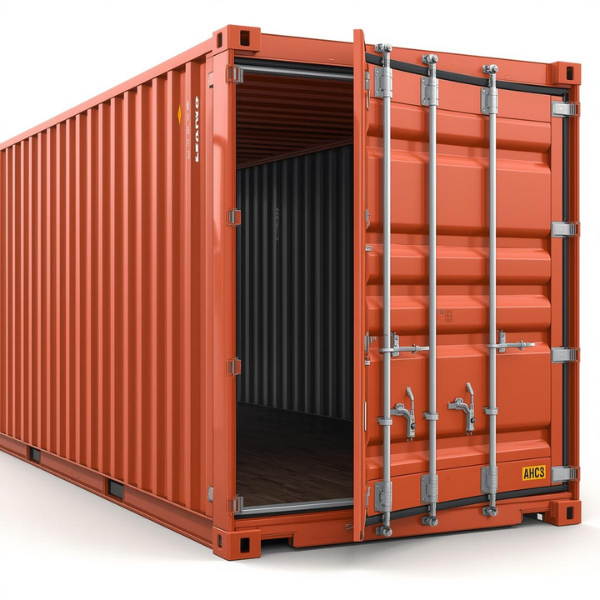
General Purpose Containers, also known as dry containers, are the most ubiquitous type in the shipping industry, used for approximately 90% of all sea freight. These units are fully enclosed, weatherproof, and typically constructed from steel or aluminium. They are ideal for transporting most types of “normal” dry cargo, such as boxes, pallets, and barrels.
High Cube Containers are similar in design to standard dry containers but provide an additional foot of height, making them 9 feet 6 inches tall externally. This extra space is particularly beneficial for voluminous but light cargo, or for storing taller items like furniture. While they most commonly come in 40-foot and 45-foot lengths, 20-foot variants do exist.
Containers for Oversized and Heavy Loading
Several container designs facilitate the loading of bulky or awkwardly shaped items:
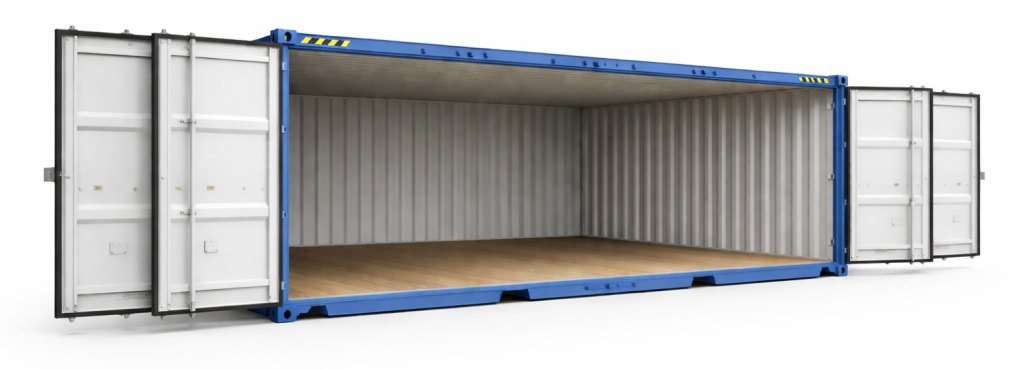
Open Side Containers: These possess doors that open completely along the long side, providing a much wider room for loading extra-large materials that cannot fit through narrower end doors.
Open Top Containers: These feature a convertible top—usually a removable tarpaulin or a detachable steel “hard top”—allowing cargo to be loaded vertically via crane. They are specifically designed for over-height cargo that cannot fit through standard doors.
Flat Rack Containers: These units have collapsible sides at the short ends, creating a flat platform suitable for oversized machinery, vehicles on tracks, or construction materials. Some 40-foot flat racks can carry up to 45 metric tons.
Platform Containers: Lacking side and end walls entirely, these are used for odd-sized cargo that cannot fit into any other container type.
Temperature-Controlled and Sensitive Cargo
For goods requiring specific environments, the following types are utilised:
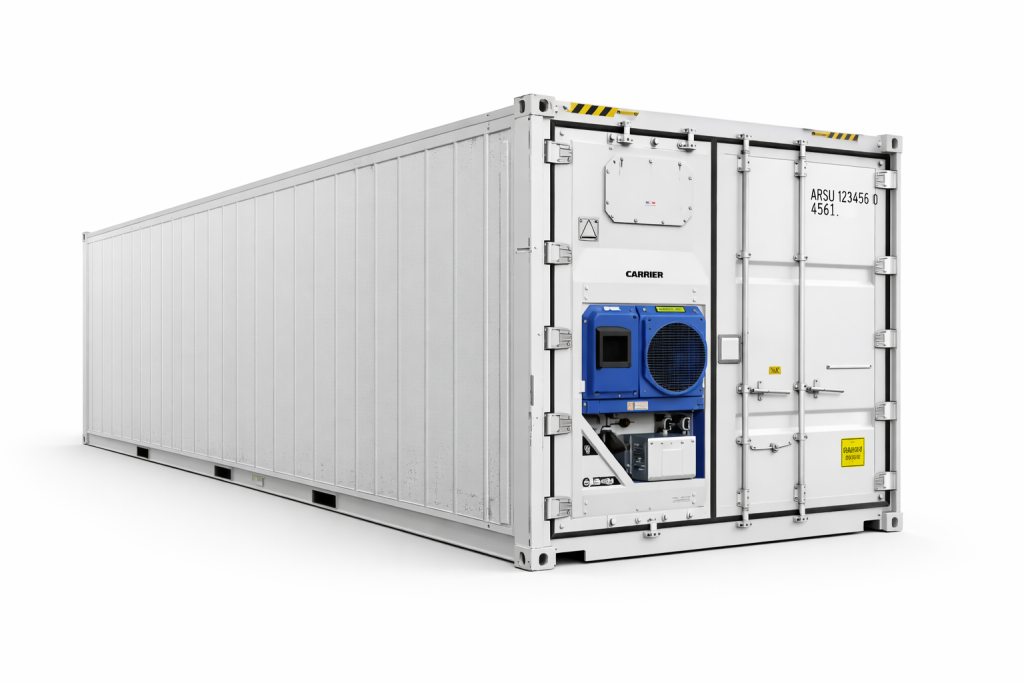
- ISO Reefer Containers: These are refrigerated units used for perishable items like meat, fruit, and vegetables. They rely on external power sources to regulate temperatures, which can range from -65°C to +40°C.
- Insulated Containers: Often compared to a vacuum flask, these units use vacuum-insulated walls to maintain a stable internal temperature. Unlike reefers, they do not always offer precise mechanical temperature control but are suitable for pharmaceuticals, chemicals, and biological materials.
Specialised Liquid and Bulk Units
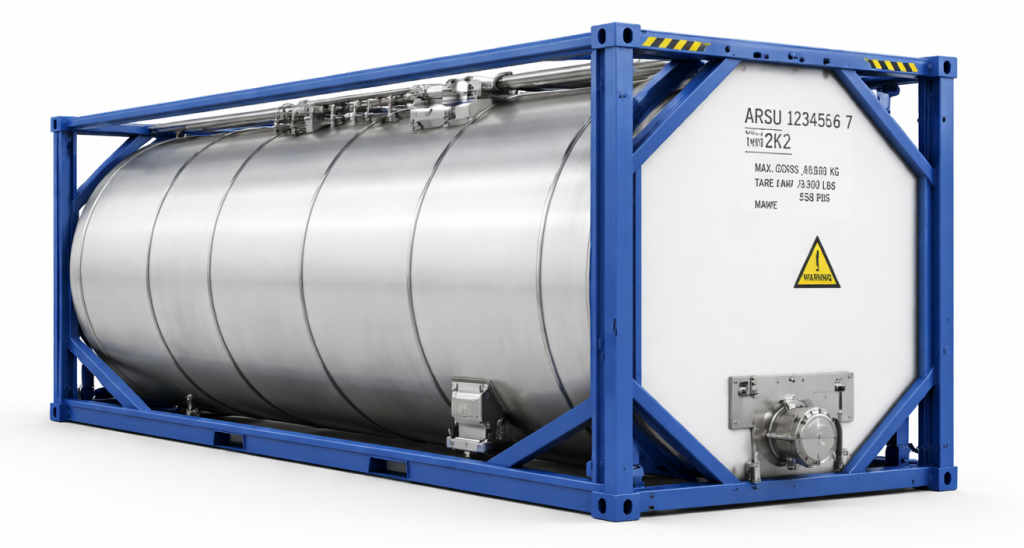
- ISO Tank Containers: These consist of a cylindrical vessel (often stainless steel) supported within a standard ISO frame. They are designed for the safe transport of liquids, gases, and powders, including hazardous materials.
- Half-Height Containers: With a low centre of gravity, these steel units are half the height of standard containers and are ideal for dense, heavy bulk cargo like coal, stones, and minerals used in the mining industry.
- Bulktainers: These often feature loading hatches on the top for pouring in bulk cargo and “gates” at the bottom for offloading by tipping.
Niche and Multimodal Designs
- Pallet Wide Containers: These are approximately 5cm wider internally than standard units, specifically designed to accommodate Euro pallets side-by-side. A 20-foot pallet-wide unit can hold 15 Euro pallets compared to the 11 fit by a standard 20-foot container.
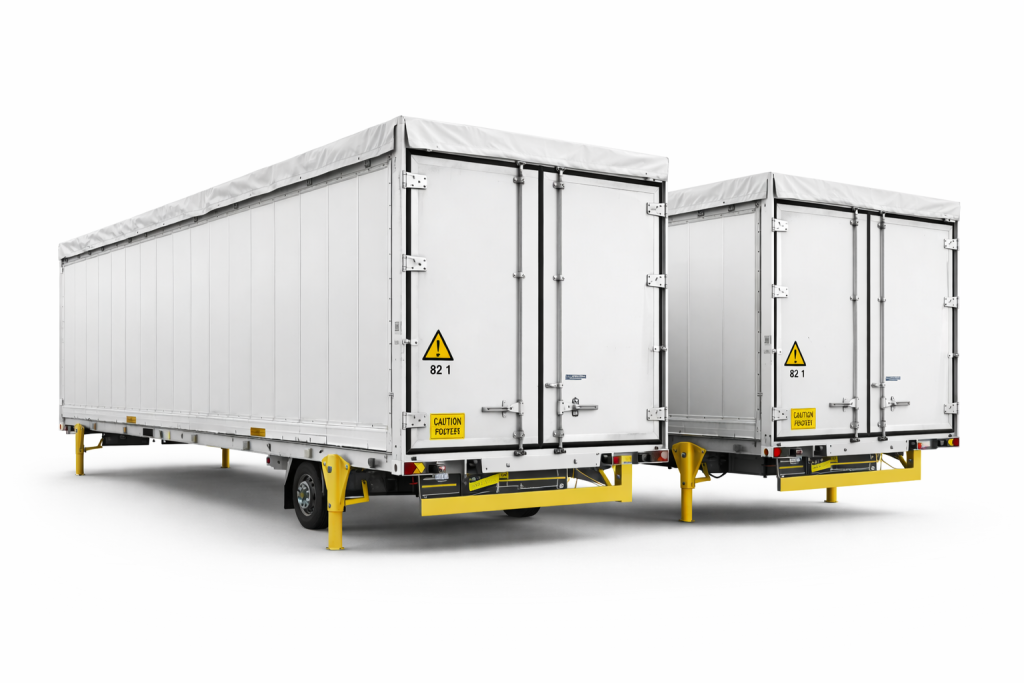
- Swap Bodies: Primarily used in Europe for road and rail, these exchangeable containers have a convertible top but lack upper corner fittings, meaning they cannot be stacked and are restricted to land transport.
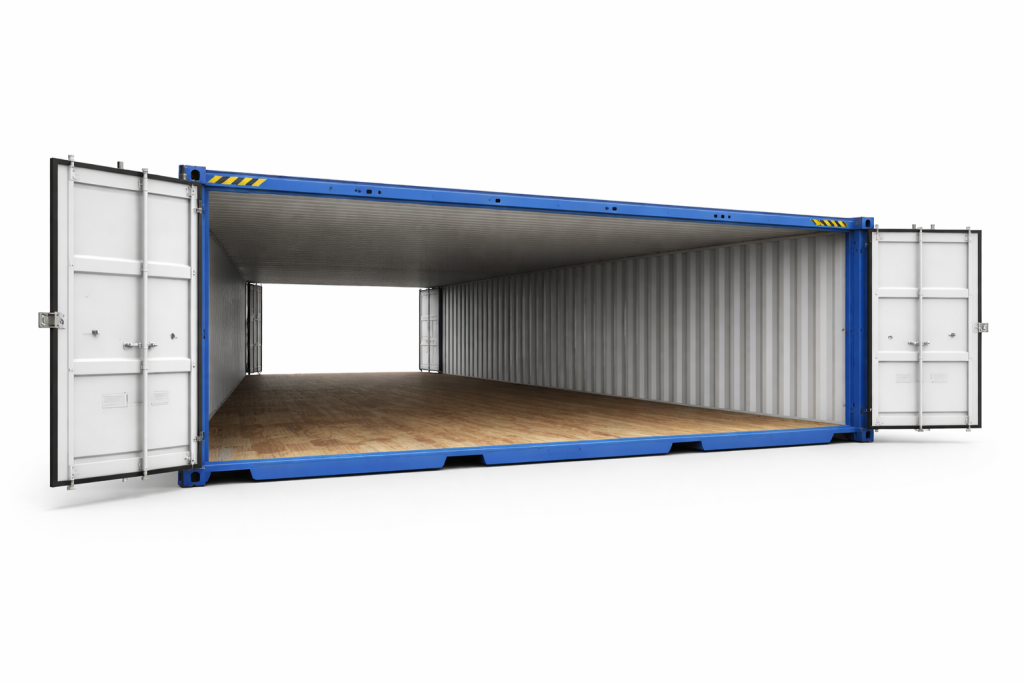
- Tunnel Containers: Also known as double door containers, they have doors at both ends, allowing for “drive-through” loading or easier access to cargo from either side.
- Car Carriers: Tailored for vehicle shipment, these containers often feature collapsible sides or internal platforms to fit multiple cars securely.
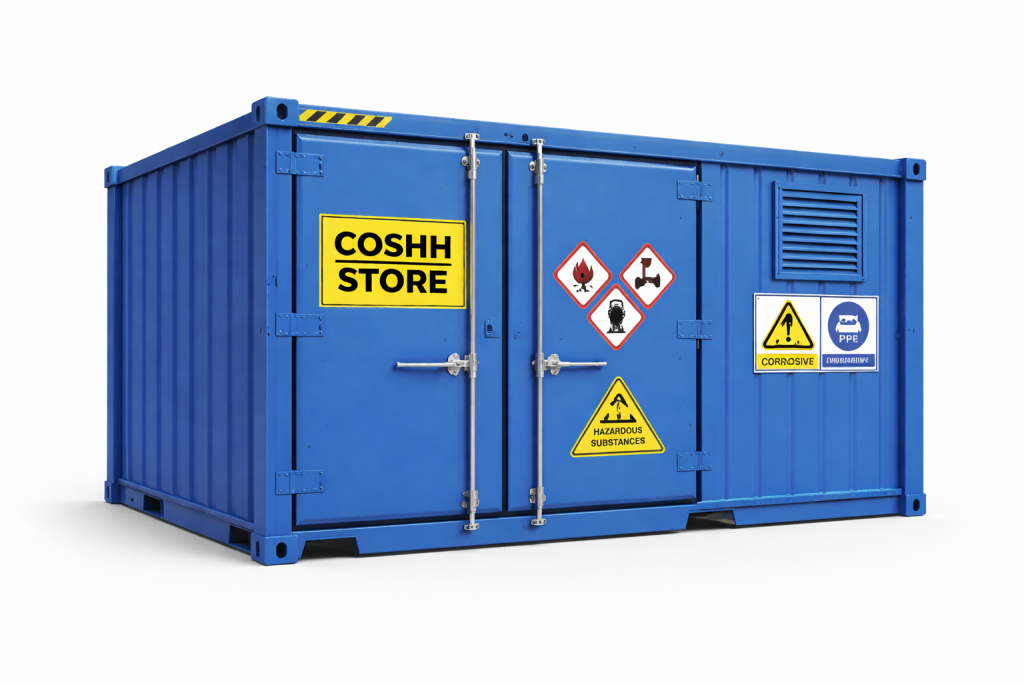
- COSHH Containers: Specifically designed for the safe storage of hazardous substances in compliance with regulations, featuring fire resistance and leak-proof designs.
The following table provides a detailed breakdown of the various shipping container types, their dimensions, intended uses, and associated benefits or drawbacks. Historically container sizes are given in impericl measurements, but metrical measurements are also used. Industry professionals often use approximate metric equivalents for standard sizes:
High Cube Height: Roughly 2.9 metres (9ft 6in).
20ft Container: Often called a 6-metre container (actual: 6.058m).
40ft Container: Often called a 12-metre container (actual: 12.192m).
Standard Height: Roughly 2.6 metres (8ft 6in).
Comprehensive Shipping Container Guide
| Common Dimensions (External Length x Height) | Primary Uses | Key Benefits & Drawbacks |
|---|---|---|
| 20ft or 40ft L; 8ft 6in H | General dry cargo such as boxes, pallets, toys, and clothes. | Benefits: Airtight, water-resistant, and the most common type globally. Drawbacks: No temperature control. |
| 40ft or 45ft L; 9ft 6in H | Voluminous but light cargo like furniture or taller items. | Benefits: Offers an extra foot of height, providing ~10 cbm more volume than standard units. Drawbacks: Weight limitations prevent use for very heavy goods. |
| 20ft or 40ft L; 8ft 6in H | Over-height cargo or heavy items (e.g., machinery) that require vertical loading. | Benefits: Feature a removable tarpaulin or hard top for crane loading. Drawbacks: If cargo is “out of gauge” (too tall), it cannot be stacked, making shipment very expensive. |
| 20ft or 40ft L | Oversized machinery, vehicles on tracks, and big reels. | Benefits: Collapsible ends create a platform for awkwardly shaped cargo. Drawbacks: Lacks side walls for cargo protection. |
| 20ft L (Standard ISO frame) | Bulk liquids, gases, and hazardous materials. | Benefits: Cylindrical vessels made of anti-corrosive material for long-life protection. Drawbacks: Must be 80–95% full to prevent dangerous surging or allow for thermal expansion. |
| 20ft, 40ft, or 45ft L | Perishables like meat, fruits, vegetables, and medicines. | Benefits: Precise temperature regulation (-65°C to +40°C). Drawbacks: High operational costs due to energy consumption. |
| 20ft or 40ft L | Extra-large items that cannot fit through standard end doors. | Benefits: Doors open completely on the long side, allowing wide access for efficient loading. Drawbacks: Side door mechanisms may reduce structural simplicity. |
| 20ft or 40ft L | Steel, iron, or vehicles requiring easy drive-through access. | Benefits: Doors at both ends allow for quick loading/unloading and “drive-through” car storage. Drawbacks: Requires clear space at both ends to function. |
| 20ft or 40ft L | Sensitive chemicals, pharmaceuticals, blood, and foods. | Benefits: Uses vacuum-insulated walls (like a thermos) to maintain stable temperatures. Drawbacks: Lacks the precise mechanical temperature control of a reefer. |
| 20ft L; approx. 4ft 3in H | Dense, heavy bulk cargo like coal, stones, and minerals for mining. | Benefits: Low centre of gravity handles heavy loads better than tall units. Drawbacks: Inefficient for lighter, voluminous goods. |
| 20ft, 40ft, or 48ft L | European Euro Pallets. | Benefits: Designed to be 5cm wider internally, fitting 15 Euro pallets vs 11 in standard units. Drawbacks: Specific to European pallet standards. |
| Varies (mostly European land transport) | Road and rail multimodal transport. | Benefits: Interchangeable and features a convertible top. Drawbacks: No upper corner fittings; not stackable and restricted to land transport. |
Additional Metrics
- Tare Weight: The weight of an empty container (e.g., ~2,100kg for a 20ft unit).
- Payload: The maximum cargo weight capacity.
- Maximum Gross Weight (MGW): The combined weight of the container and its full payload.
- Corten Steel: Most ISO containers are made from this weathering steel to ensure durability against the elements.
Addditional links
Marine Insight
16 Types of Container Units and Designs for Shipping Cargo
Transport Information Service
10 types of containers with illustrations and descriptions
Shipping and Freight Resource
Types of shipping containers, sizes, dimensions and uses